tk999 on the Move: Betting in the Gaps of the Day
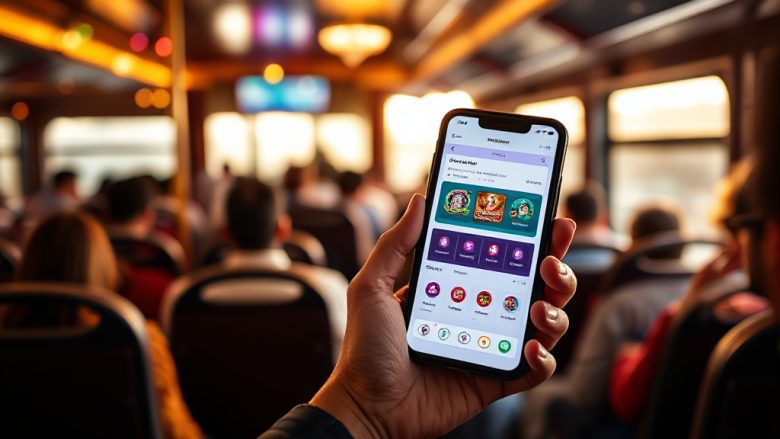
The bus lurches forward, and the man beside me doesn’t look up. His thumb moves in small, practiced arcs across a phone screen, and I catch a glimpse of a betting interface before the glare swallows it. It’s a familiar scene on Dhaka routes now: the commute as a pocket of time, filled with a quick check of odds or a pending wager. tk999 is built for exactly this kind of use — a mobile-first betting platform aimed at Bangladeshi users who want registration and a downloadable app rather than a desktop session. The question that interests me isn’t whether people bet on the move, but how the place they’re in changes what the experience feels like.
The Bus Seat: Speed and Small Screens
A moving bus is a hostile environment for any app. The signal drops between stops, the screen shakes, and the person beside you has a clear view of everything. That context shapes how regular users approach a betting platform: they tend to keep sessions short, check one market, and close the app rather than linger.
This is where the downloadable app matters more than the website. A native app holds a session better through patchy mobile data and reopens faster when the signal returns. For a commuter with twenty minutes and one hand free, that difference is the whole product.
What the commute habit rewards
- Short sessions that start and finish within a single journey.
- Saved logins so nobody is typing a password while standing.
- Clear small-screen layouts where odds and balances are readable at a glance.
The mistake I see most often is treating a bus ride like a desktop session — opening five markets, losing track of time, and missing a stop. The setting doesn’t just change convenience; it changes judgment.
The Airport Lounge: Waiting as a Different Kind of Time
Airport time is the opposite of bus time. It’s long, seated, and connected to reliable Wi-Fi. People who bet casually at home often find that a two-hour wait is the first moment they actually read a platform properly — the menus, the account settings, the range of sports on offer.
This is where registration and account setup tend to happen for new users. A lounge is a low-pressure place to create an account, verify details, and download the app before boarding. Doing it here rather than mid-journey avoids the classic frustration of a half-finished sign-up on a bad connection.
Why the lounge changes the experience
Comfort slows people down, and slower users make fewer errors. They read the terms, check payment options, and set limits before they start. The same platform that felt cramped on a bus feels almost like a dashboard in a quiet lounge — and that shift in pace is worth noticing.
There’s a social dimension too. Travellers compare notes, ask which apps work abroad, and warn each other about connection problems. Word of mouth in a departure lounge travels faster than any advertisement.
The Tea Stall: Betting as Background Conversation
At a roadside tea stall, the phone is rarely the centre of attention. It sits on the table while conversation carries on around it. This is the most casual setting of all, and it produces the most casual behaviour: a glance at a score, a quick check on a result, a shared laugh at a bad call.
What stands out here is how context lowers the stakes of attention. Nobody at a tea stall is studying form or analysing a market. They’re checking in. A platform that loads fast and shows the essentials without fuss fits this rhythm; one that demands focus does not.
It’s also where misinformation spreads. Someone repeats a rumour about a payout delay, someone else believes it, and by the next day it’s treated as fact. The sensible habit is to verify claims on the platform itself rather than trust the table talk.
What the Gaps Reveal About Using tk999 Well
Put the three settings side by side and a pattern emerges. The bus rewards speed and brevity, the lounge rewards patience and setup, and the tea stall rewards lightness. None of them is the “right” way to use a betting app, but each exposes a different risk.
| Setting | Typical use | Main risk |
|---|---|---|
| Bus | Quick odds check, short session | Rushed decisions, missed stop |
| Airport lounge | Registration, app download, reading terms | Overconfidence from a long session |
| Tea stall | Result checks, casual browsing | Acting on rumour rather than fact |
The practical takeaway is to match the session to the setting. Do the account work when you’re seated and connected. Keep the moving minutes for simple checks. And treat the tea-stall conversation as entertainment, not evidence. Place shapes behaviour, and behaviour is what determines whether an app stays a small pastime or becomes a problem.
For anyone new to the platform, the sensible first step is to handle registration and the app download at home or in a quiet place, then decide how much of the day’s gaps you actually want to fill with it. The gaps are always there — the choice is what goes into them.