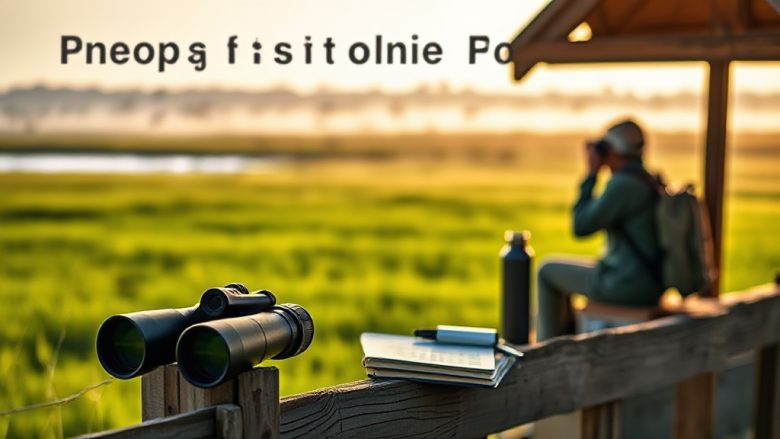
Wildlife watching can be the best day of a trip or a very expensive way to stare at empty water. I’ve had both. Once I spent six hours in a hide in the rain and saw one distant deer. Another time I stepped out of a car park at dawn and watched a kingfisher work a river for twenty minutes. The difference wasn’t luck alone. It was expectations, timing and knowing what I’d signed up for. So before you book anything, here’s wildlife watching pros and cons explained without the brochure gloss, so you can decide whether it actually suits you.
What Wildlife Watching Actually Involves
Strip away the marketing and wildlife watching is simple. You go somewhere animals live, you wait, and you hope. Sometimes you pay a guide, sometimes you sit in a hide, sometimes you just walk a quiet path at the right hour. The activity covers everything from a garden bird feeder to a multi-day safari, and the experience varies enormously depending on which end of that scale you choose.
That range matters, because most disappointments come from mismatched expectations. Someone books a whale trip expecting a breach and gets a dorsal fin at 200 metres. Someone else joins a dawn walk hoping for wolves and comes back thrilled by a fox. Same activity, different framing. Keeping that in mind makes the pros and cons below much easier to weigh up.
It also helps to know what you’re buying. A guided trip is partly access, partly expertise and partly insurance. A self-organised trip is cheaper but puts all the research on you. Neither is better. They just suit different people, budgets and levels of patience.
The Pros of Wildlife Watching
These are the genuine advantages, the ones that keep people coming back trip after trip.
You See Places You’d Never Otherwise Visit
Wildlife takes you off the standard tourist circuit. A dolphin survey might put you on a cold estuary at 6am. A bear-watching trip might mean a small town with one hotel and no nightlife. Those places are often the most memorable part of the whole journey. You end up in landscapes that exist for reasons other than entertaining visitors, and that changes how a trip feels.
It Rewards Patience With Real Moments
There’s a particular satisfaction in waiting and then being right. You read the tide, picked the spot, stayed quiet, and something appeared. That’s not a theme park thrill. It’s slower and it sticks with you longer. I still remember a heron taking a fish two metres from where I was crouched, and I’ve forgotten most of the paid attractions I’ve visited.
Costs Can Be Surprisingly Low
You don’t need a safari to watch wildlife. A local wetland, a coastal path or a city park at dawn can deliver kingfishers, seals, deer and raptors for the price of a bus ticket. Compared with most holiday activities, the entry cost is often tiny. The expensive version exists, but it’s optional.
It’s Good for Local Economies and Conservation
When wildlife pays, it tends to survive. Communities that earn from guiding, hides, lodges and permits have a reason to protect habitat rather than clear it. That’s not a perfect system, and it can go wrong, but it’s a real argument in favour. Your money can do more good here than in most holiday spending.
It Suits Almost Any Fitness Level
Some wildlife watching is a hard hike. Most of it isn’t. Hides, boardwalks, boat trips and roadside viewpoints mean the activity works for families, older travellers and anyone who’d rather not climb a mountain. That flexibility is a big plus if you’re travelling with mixed abilities.
It Builds Genuine Knowledge
After a few trips you start noticing things. You learn bird calls, tracks, tides and seasons. That knowledge compounds, and it makes every subsequent trip richer. It’s one of the few holiday activities that leaves you with a skill rather than just photos.
The Cons of Wildlife Watching
Now the honest part. These are the reasons people come home disappointed, and they’re worth taking seriously before you spend money.
You Are Not Guaranteed Anything
This is the big one. Animals don’t perform on schedule. Weather, season, breeding cycles and plain bad luck all interfere. A trip can be perfectly organised and still deliver nothing. If you need certainty from a holiday, this is a real risk, and no amount of money removes it.
It Can Be Expensive for What You Get
Some wildlife trips cost more per hour than almost any other activity. Flights, permits, guides, accommodation in remote areas and long transfers add up fast. When the headline animal doesn’t show, that cost can feel hard to justify. Budget trips exist, but the premium end is genuinely pricey.
Early Starts, Cold and Long Waits
Dawn is often the best time. Dawn is also cold, dark and inconvenient. Expect 4am alarms, thermos coffee, damp hides and hours of stillness. Some people find this meditative. Others find it miserable. Be honest with yourself about which camp you’re in, because you’ll spend a lot of the trip doing exactly this.
Ethical Problems Are Real
Not every operator puts the animal first. Baiting, crowding, chasing, handling and disturbing nests all happen, sometimes legally. Poorly run trips can stress the very wildlife you came to see. Choosing carefully matters, and it takes research. Cheap trips are often cheap for a reason.
Access and Comfort Are Limited
Remote places are remote. That can mean basic accommodation, no phone signal, difficult terrain and long drives on rough roads. If you need comfort, convenience or reliable Wi-Fi, a wildlife-focused itinerary may frustrate you more than it delights you.
It Can Be Lonely or Repetitive
Sitting quietly for hours isn’t for everyone. Some people love the solitude. Others get bored by day three of the same routine. Group trips help, but they come with their own compromises. If you like variety and constant stimulation, this pace may not suit you.
How to Decide If It’s Right for You
The decision comes down to a few honest questions. Do you enjoy waiting? Can you accept a trip where the main event might not happen? Are you happy in cold, quiet, early-morning conditions? If yes to all three, wildlife watching will probably reward you. If any of those made you wince, think carefully.
Then match the trip to your temperament. If you want a gentle introduction, start with a local reserve, a coastal walk or a half-day boat trip. If you’re ready to commit, a guided multi-day trip gives you the best odds and the most support. Avoid booking the most expensive option first. Build up, learn what you enjoy, and let the trips get more ambitious as you go.
Finally, check the operator’s ethics before you book. Ask how close they get, whether they use bait, and what happens if the target species doesn’t appear. Good operators answer those questions without flinching. Bad ones get vague. That single conversation tells you more than any review.
Frequently Asked Questions
Is wildlife watching worth the money?
It can be, but only if you value the experience rather than a guaranteed sighting. Budget options offer excellent value. Premium trips are worth it when the guiding, access and ethics are genuinely strong, not just when the price is high.
What’s the best time of day for wildlife watching?
Early morning and late afternoon are usually best. Animals are more active, light is better and crowds are thinner. Midday is generally the quietest period, especially in warm weather.
Do I need a guide?
Not always. Local reserves and well-known sites are easy to explore alone. Guides help most in unfamiliar terrain, for shy species, or where permits and local knowledge make a real difference.
Can beginners enjoy wildlife watching?
Absolutely. Start close to home with common species and simple equipment. Binoculars and patience matter far more than an expensive camera. Experience builds quickly once you begin.
How do I choose an ethical wildlife trip?
Ask direct questions about distance, baiting and behaviour around animals. Choose operators who limit group sizes and put the animal’s needs first. If the answers feel evasive, walk away.